As vehicle cockpits become increasingly digital and intelligent, the central control switch, as a core component of human-machine interaction, is undergoing a profound transformation from mere "function activation" to "experience creation." Its development trends are primarily reflected in the following dimensions:
1. Integration and Minimalist Aesthetics
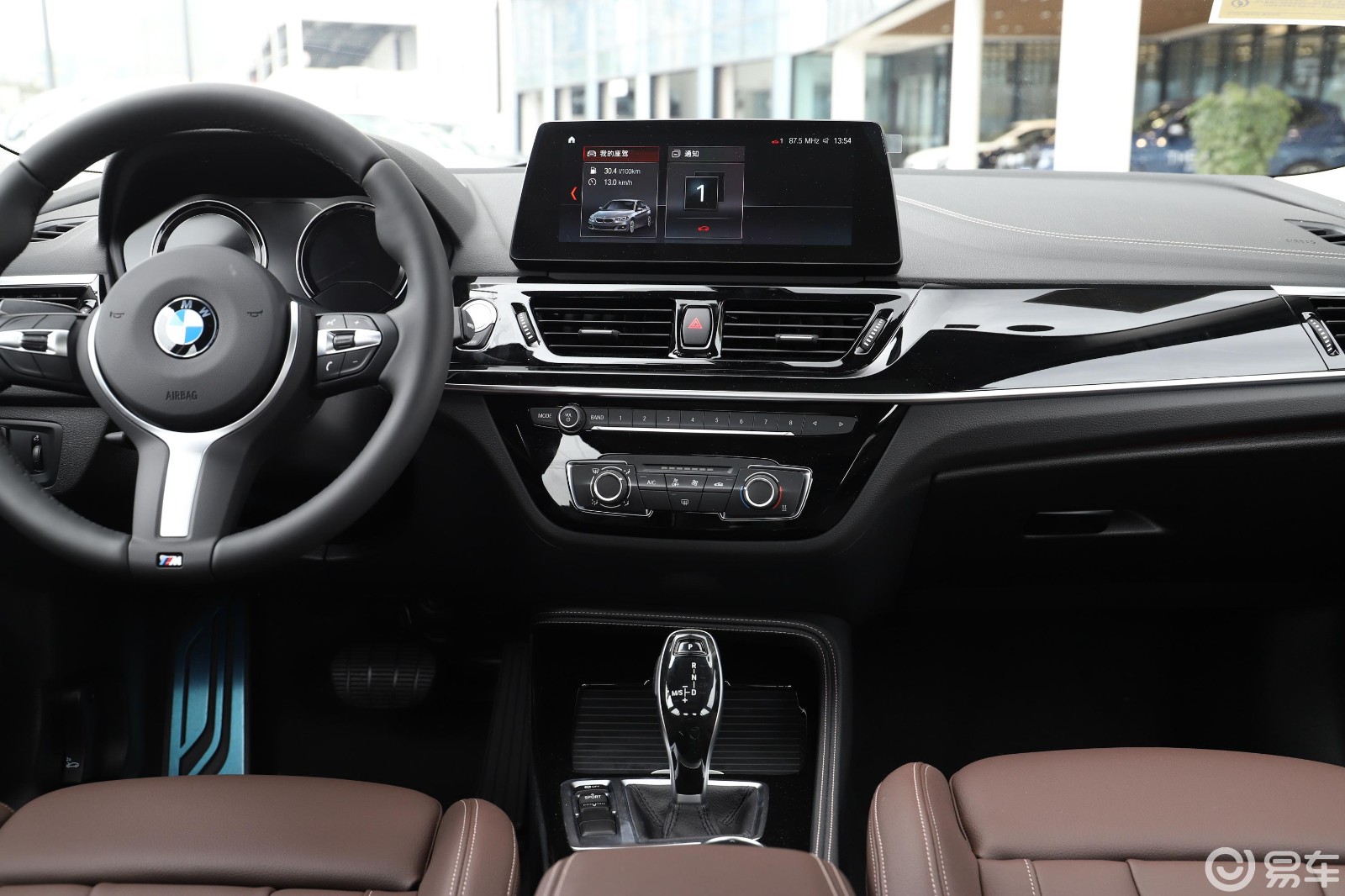
The dense array of independent buttons on traditional center consoles is rapidly decreasing, replaced by highly integrated control modules. Designers consolidate common functions like climate control, audio, and drive modes onto touch panels or hidden backlit areas. When the vehicle is stationary, the switches become 'invisible,' retaining only essential physical buttons. This "less is more" philosophy not only enhances the interior's technological appeal but also aids driving focus by reducing visual clutter.
2. Multi-Modal Touch and Haptic Feedback
While pure touchscreens are popular, the lack of physical feel often leads to inadvertent operations. The current trend is a fusion of "touch + feedback": capacitive sensing identifies finger position, while linear motors or electromagnetic components simulate the press feeling and "click" sound of physical buttons, enabling eyes-free operation. Some high-end designs also incorporate pressure-sensitive layers, where light touches and deep presses trigger different commands, making the interaction logic more intuitive.
3. Contextual Adaptation and Intelligent Anticipation
Central control switches are evolving from passive response to active service. Leveraging telematics and sensors, switches can automatically adjust their function layout based on driving mode, weather, or user habits. For example, the defogger switch might automatically illuminate on a rainy day, or performance keys might highlight in Sport mode. This "dynamic interface" significantly shortens operational paths and enhances driving safety.
4. Material Craftsmanship and Ambient Integration
Switch surface materials are diversifying, with cross-industry techniques like metallic finishes, crystal cuts, and wood-textured touch surfaces being widely adopted. These are often integrated with ambient lighting, using color and brightness changes to indicate functional status. Backlighting technology is also trending towards micron-level precision to ensure icons are clearly visible under any lighting condition while avoiding nighttime glare.
5. Safety Redundancy and Enhanced Reliability
Despite the shift towards electronics, core safety functions (like hazard lights and door locks) retain independent physical switches with anti-mistouch structures and high-durability contacts. Furthermore, switch modules are increasingly designed to meet stringent automotive certifications like AEC-Q200, ensuring stability across extreme temperatures and vibrations throughout the vehicle's lifespan.
In the future, the central control switch will no longer be a row of buttons but an "invisible interface" integrating sensing, feedback, and intelligent algorithms. Finding the balance between simplicity and functionality, technology and safety, is the ongoing direction of industry exploration.

 Pay attention to us